The Ribeira Grande valleys
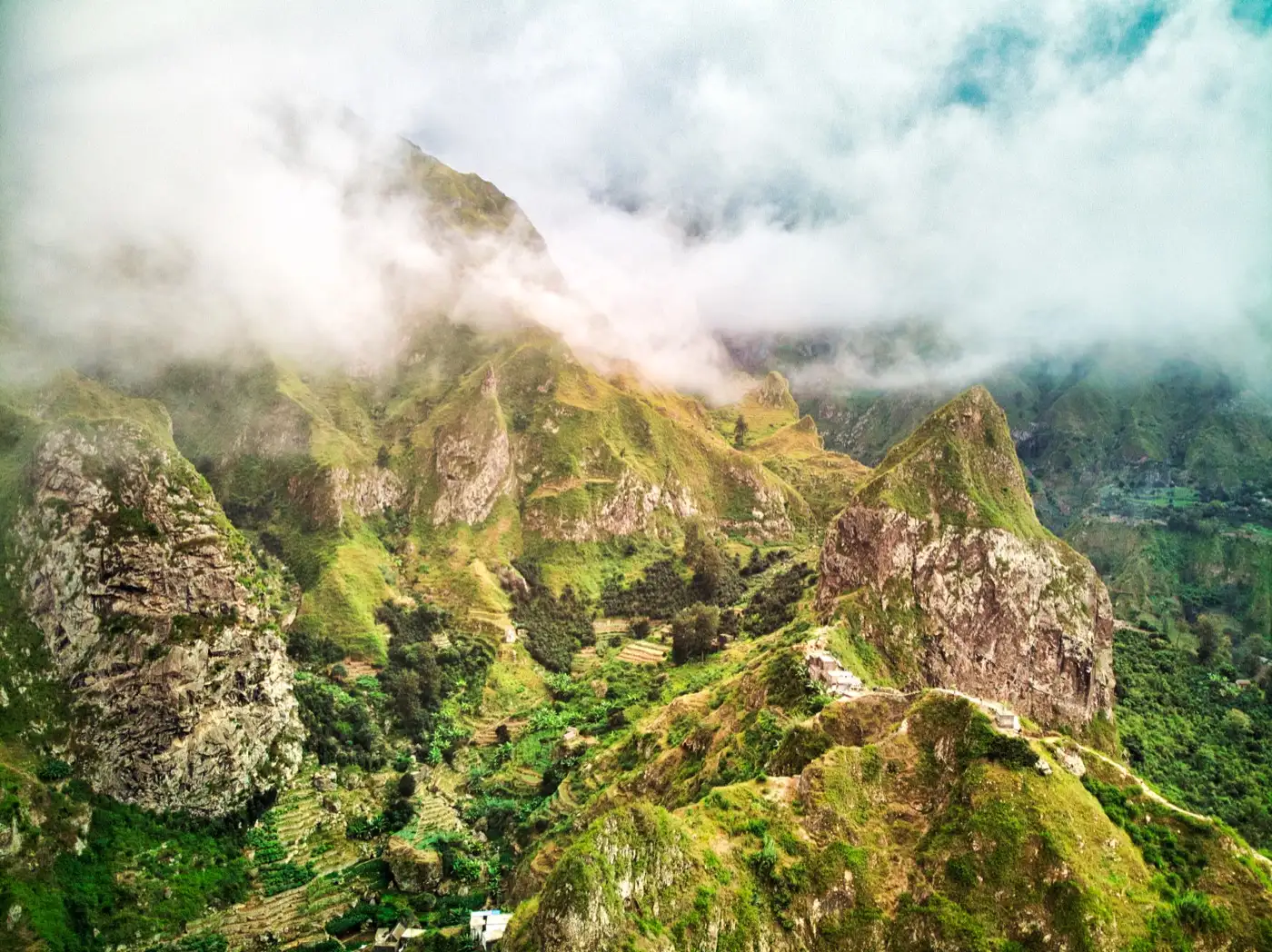
Terraced fields stacked to impossible angles, villages clinging to the walls, and grogue stills working the cane by hand. This is the walking everybody comes for.
Hiking island
There is no scheduled bus network. Aluguers wait at Porto Novo pier for each ferry arrival and run the mountain or coast crossing to Ribeira Grande, Paúl and Ponta do Sol, leaving once they fill. Because they are keyed to the boat rather than to a clock, the ferry schedule is effectively the island’s timetable — and no authority publishes an aluguer time or fare.
By bus
There is no scheduled bus network. Aluguers wait at Porto Novo pier for each ferry arrival and run the mountain or coast crossing to Ribeira Grande, Paúl and Ponta do Sol, leaving once they fill. Because they are keyed to the boat rather than to a clock, the ferry schedule is effectively the island’s timetable — and no authority publishes an aluguer time or fare.
Source: CV InterIlhas: Routes, schedules and island-to-island crossing times · ENAPOR: Ports of Cabo Verde · Governo de Cabo Verde: National transport services portal
Check the Barlavento ferry crossingBefore you go
Published departures shift with the season. Cape Verde Bus keeps the current timetable in your pocket.
Worth your time
Santo Antão is a green vertical world of terraced ribeiras, sugar-cane stills and footpaths cobbled by hand. There is no airport, so every visitor arrives by the same 40-minute boat from Mindelo into the dry moonscape of Porto Novo — then crosses the spine of the island and drops into the wet north, where Ribeira Grande, Paúl and Ponta do Sol sit under 1,800-metre walls.
Terraced fields stacked to impossible angles, villages clinging to the walls, and grogue stills working the cane by hand. This is the walking everybody comes for.
The original hand-laid road over the crater rim to Cova is a piece of engineering as impressive as the view from the top of it.
The northern tip, where the coastal path to Fontainhas hangs off a cliff above the sea — the most photographed footpath in Cape Verde, and rightly so.
While you’re there Guided hikes and transfers cover the ribeira valleys where no scheduled service reaches. See Cape Verde experiences
Keep exploring
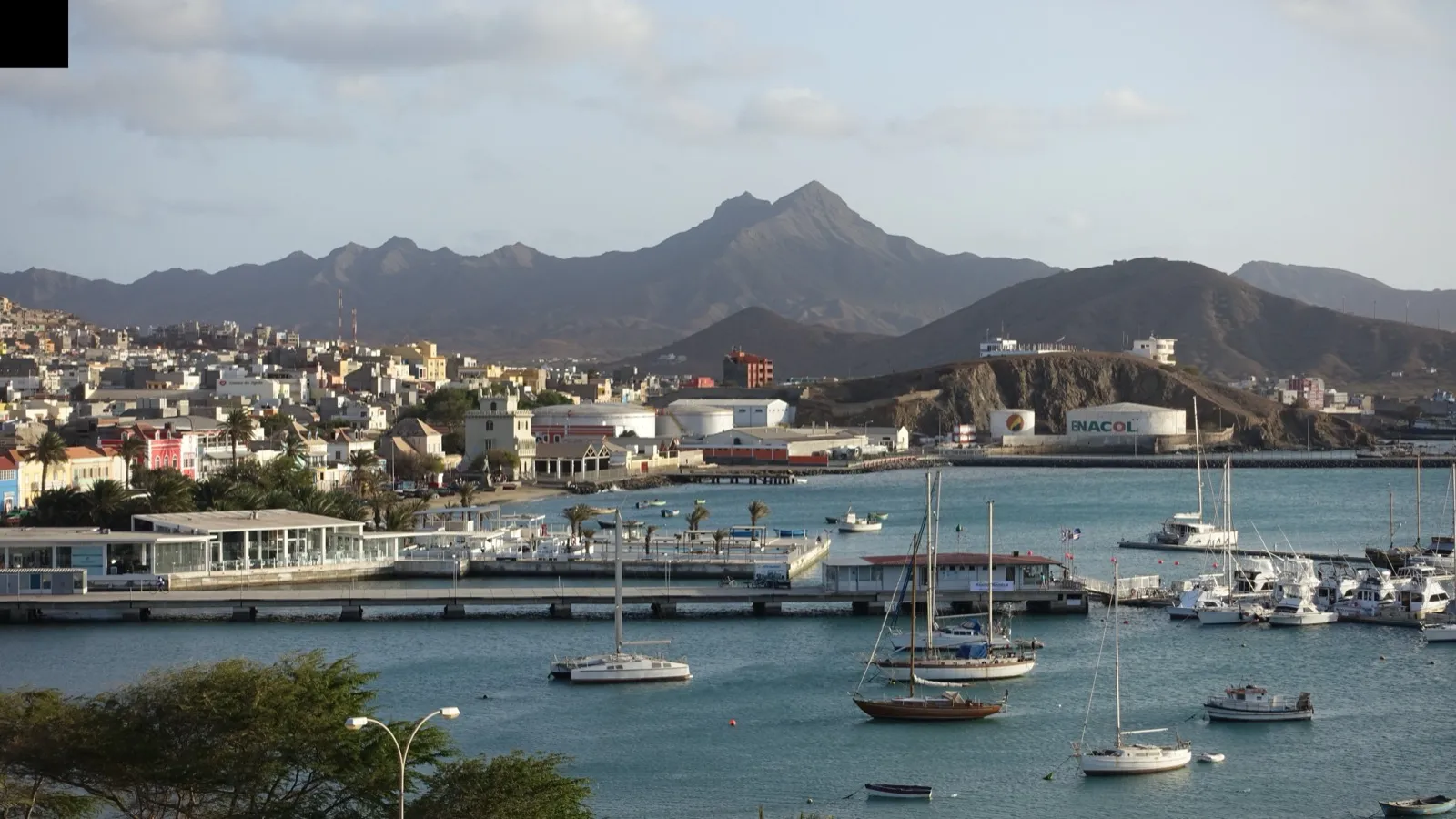 Music island São Vicente Mindelo: the country’s cultural capital, its liveliest port, and its least documented bus network. Plan the ride
 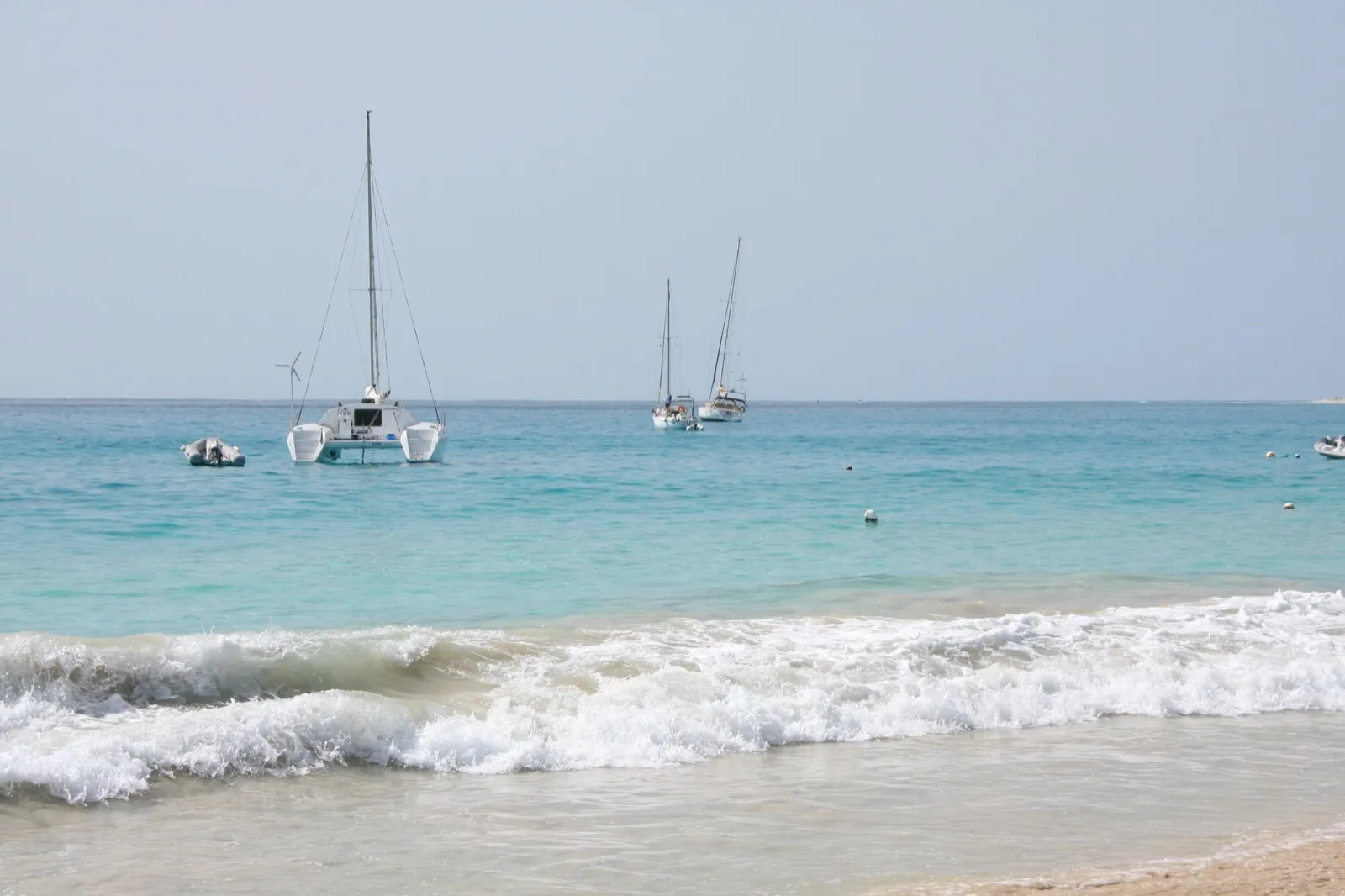 Gateway island Sal The main international arrival point, with the flattest landscape and the thinnest public transport in the country. Plan the ride
 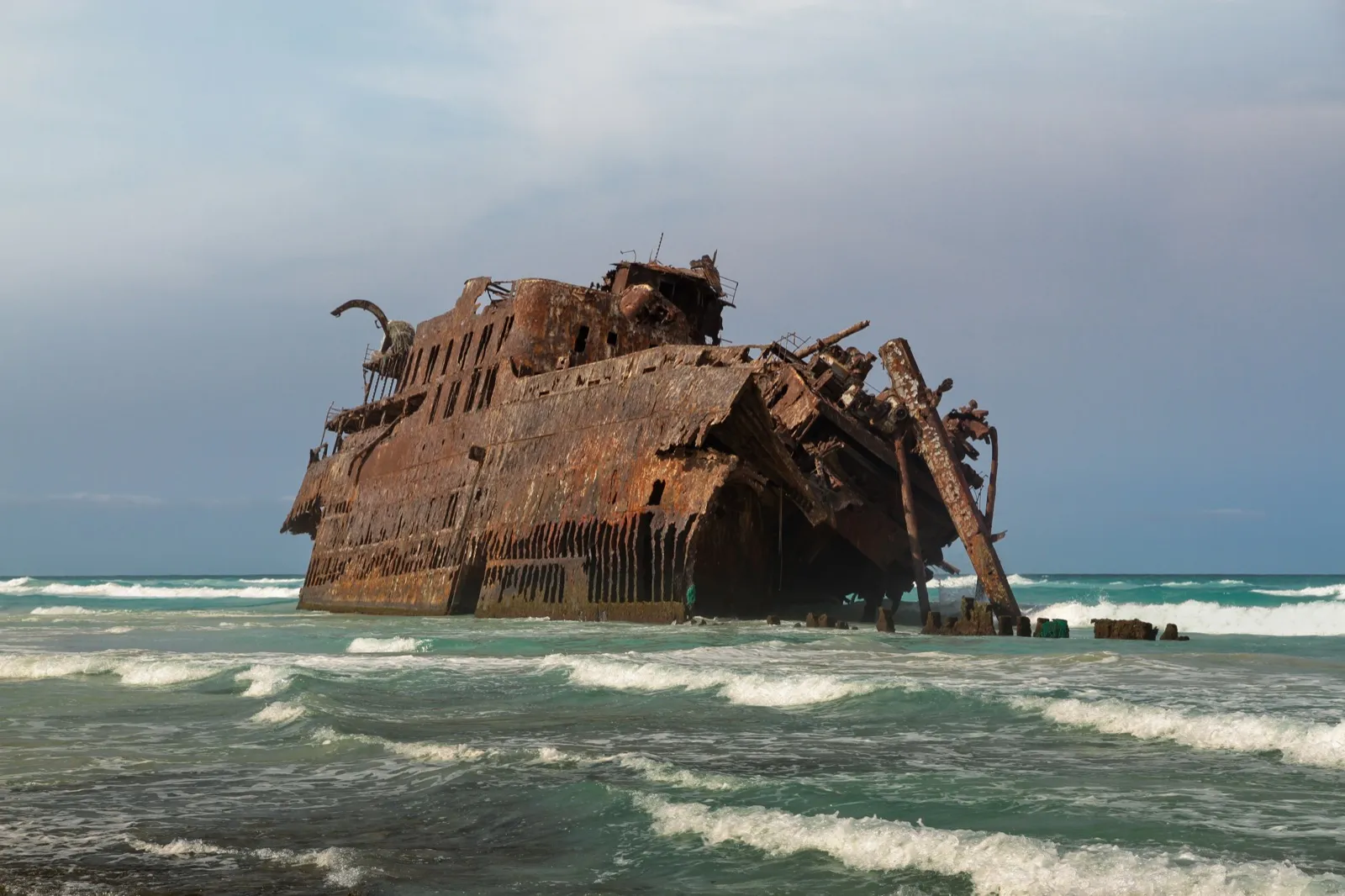 Dune island Boa Vista Sahara dunes, nesting turtles and sand roads — three hours from Sal by sea and nothing scheduled on land. Plan the ride