Chã das Caldeiras
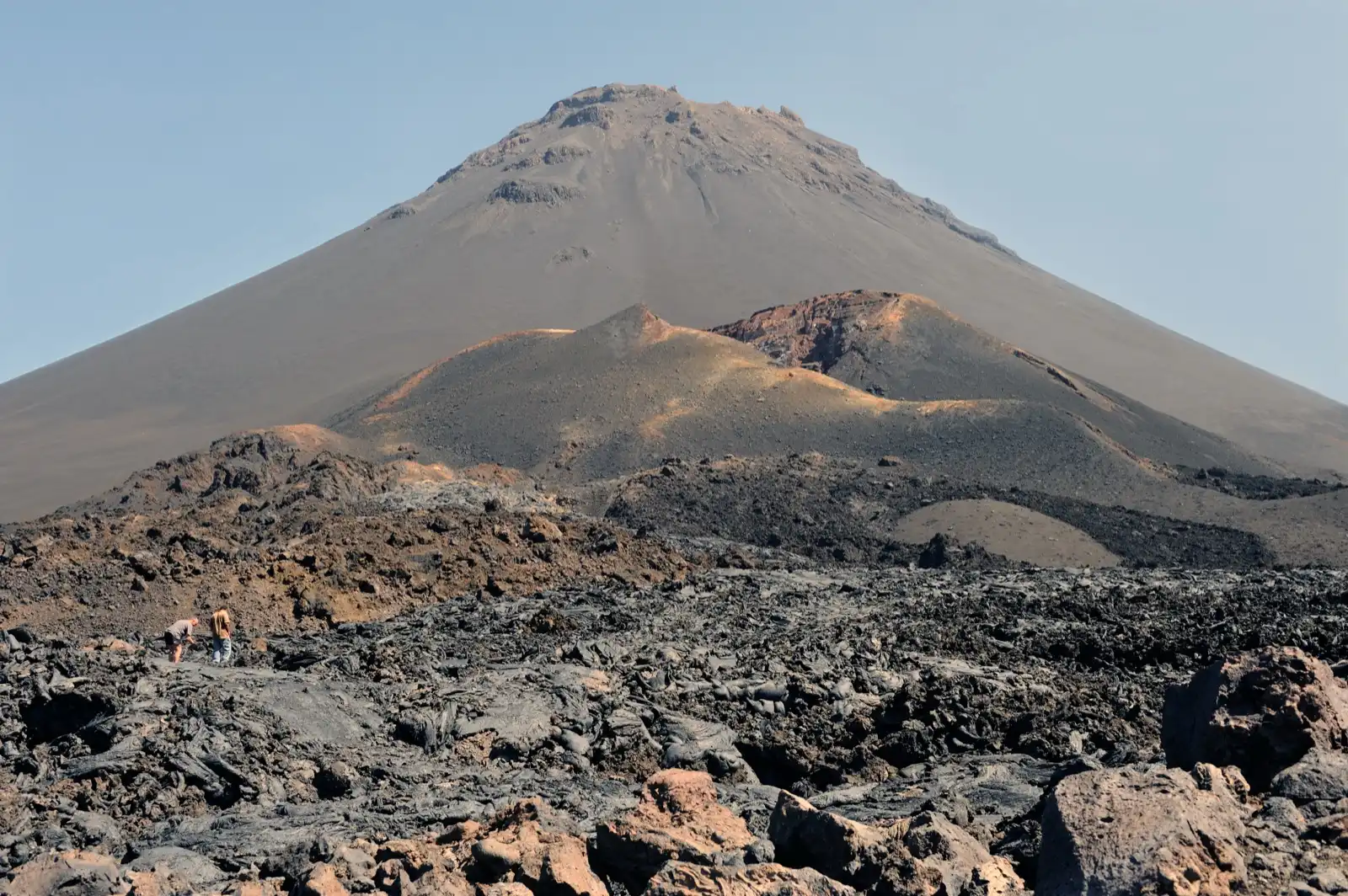
A village on the floor of an active volcano, rebuilt after the 2014–15 eruption buried much of it. The wine grown on the lava is unlike anything else in the Atlantic.
Volcano island
No scheduled bus network exists on Fogo, and no source we checked publishes any transport from São Filipe up to Chã das Caldeiras; nothing published covers Sundays. Aluguers (shared vans) run between towns without a timetable — ask locally where they leave from. The ferry from Santiago takes 5 hours 5 minutes by the operator’s table.
By bus
No scheduled bus network exists on Fogo, and no source we checked publishes any transport from São Filipe up to Chã das Caldeiras; nothing published covers Sundays. Aluguers (shared vans) run between towns without a timetable — ask locally where they leave from. The ferry from Santiago takes 5 hours 5 minutes by the operator’s table.
Source: CV InterIlhas: Routes, schedules and island-to-island crossing times · CV InterIlhas: Passenger tariff (national and non-national) () · Turismo de Cabo Verde: Getting around each island by land
Check the Sotavento crossingsBefore you go
We are building an app meant to keep every answer on this site on your phone, offline, so a weak signal or a roaming bill never stands between you and the next leg. It is not in the stores yet.
Worth your time
Fogo is a single mountain rising 2,829 metres straight out of the Atlantic, with a caldera cut into its flank and a village farming vines and coffee on the lava floor inside it. São Filipe, the colonial town on the west coast, is the arrival point by boat or plane. The road up to Chã das Caldeiras is the journey everyone comes for, and no source we checked publishes transport up to Chã.
A village on the floor of an active volcano, rebuilt after the 2014–15 eruption buried much of it. The wine grown on the lava is unlike anything else in the Atlantic.
The cone itself is a hard three-to-four-hour climb from the crater floor, usually started before dawn with a local guide.
Cobbled streets of sobrado townhouses above a black-sand beach, with the whole bulk of the volcano behind. The Nhô São Filipe festival in late April fills the town and the flights alike.
Keep exploring
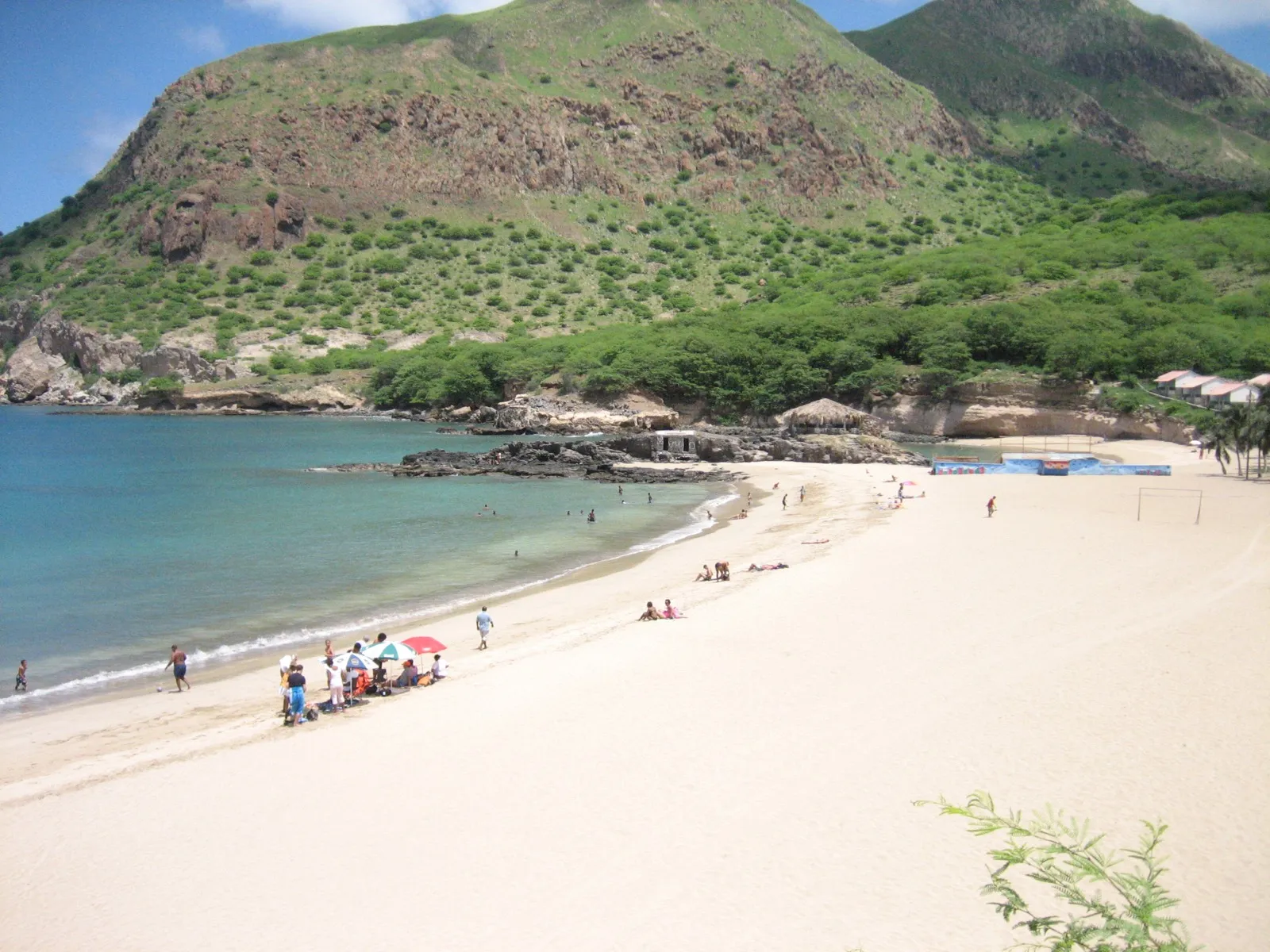 Capital island Santiago Praia, Cidade Velha and Tarrafal — the only island in the country with a published city bus network. Plan the ride
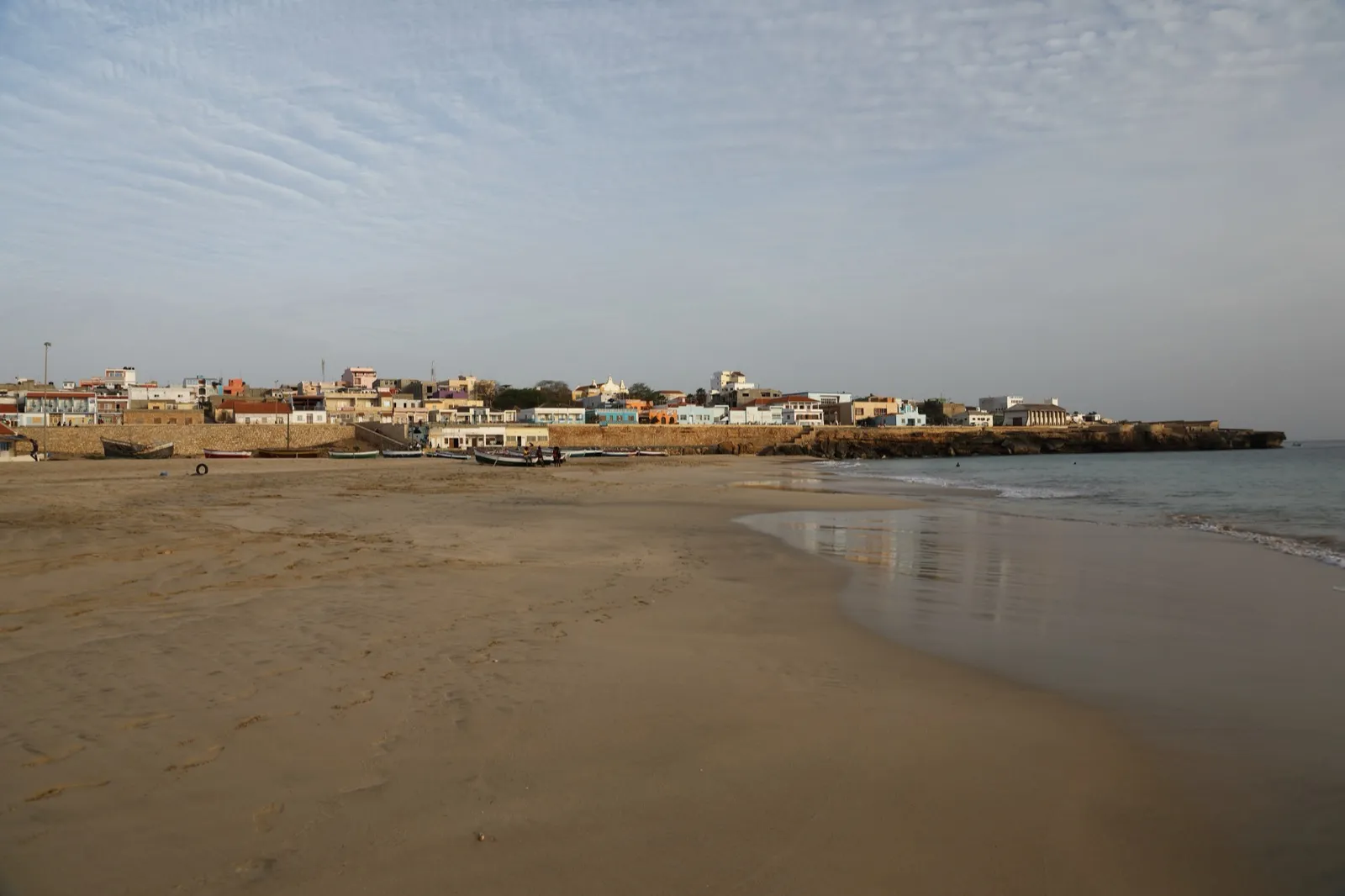 Quiet island Maio Empty beaches and salt flats an hour and three-quarters from the capital — the least visited inhabited island. Plan the ride
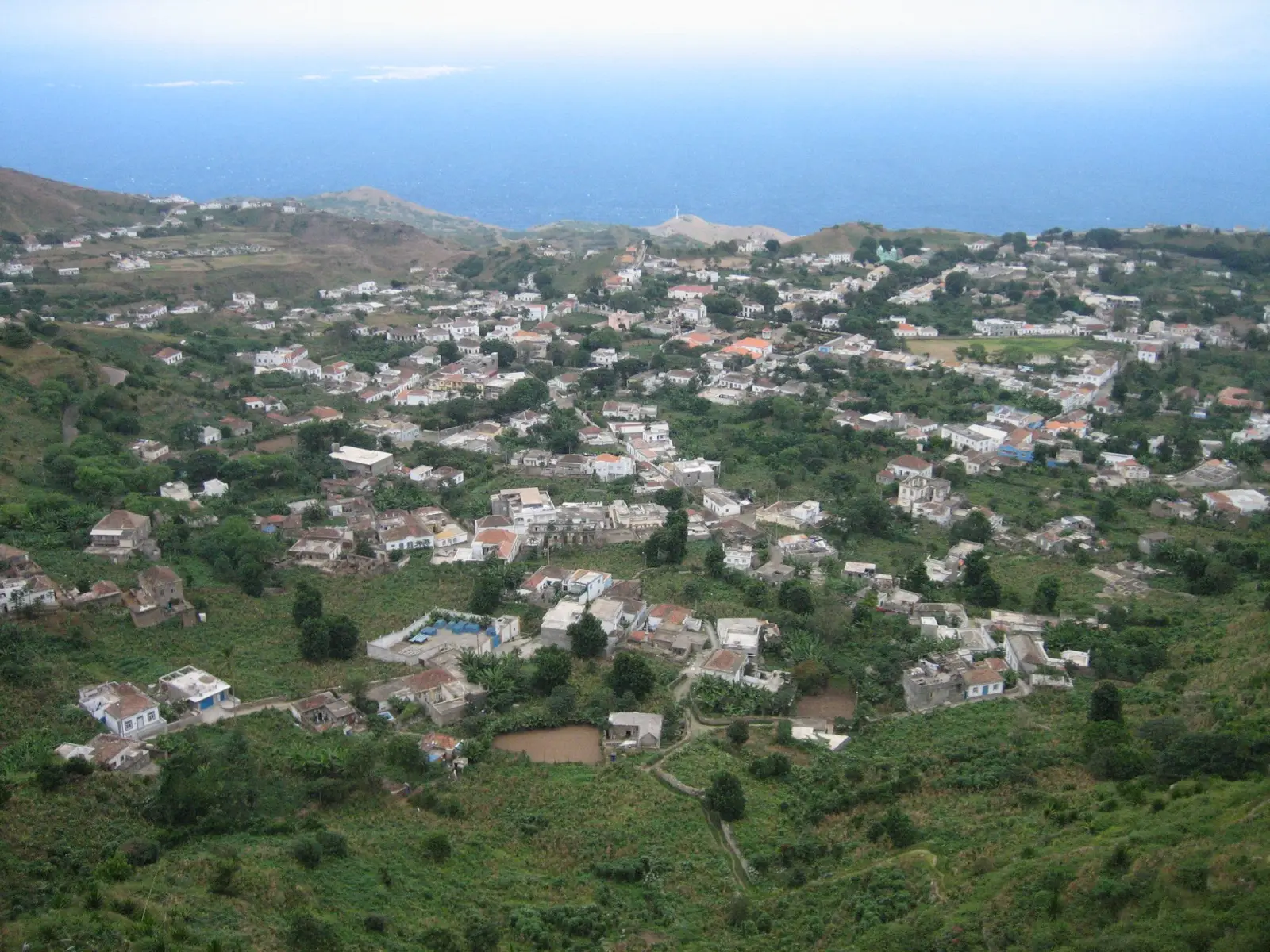 Flower island Brava The smallest inhabited island, reached only by a fifty-minute boat from Fogo — and cut off whenever that boat stops. Plan the ride